
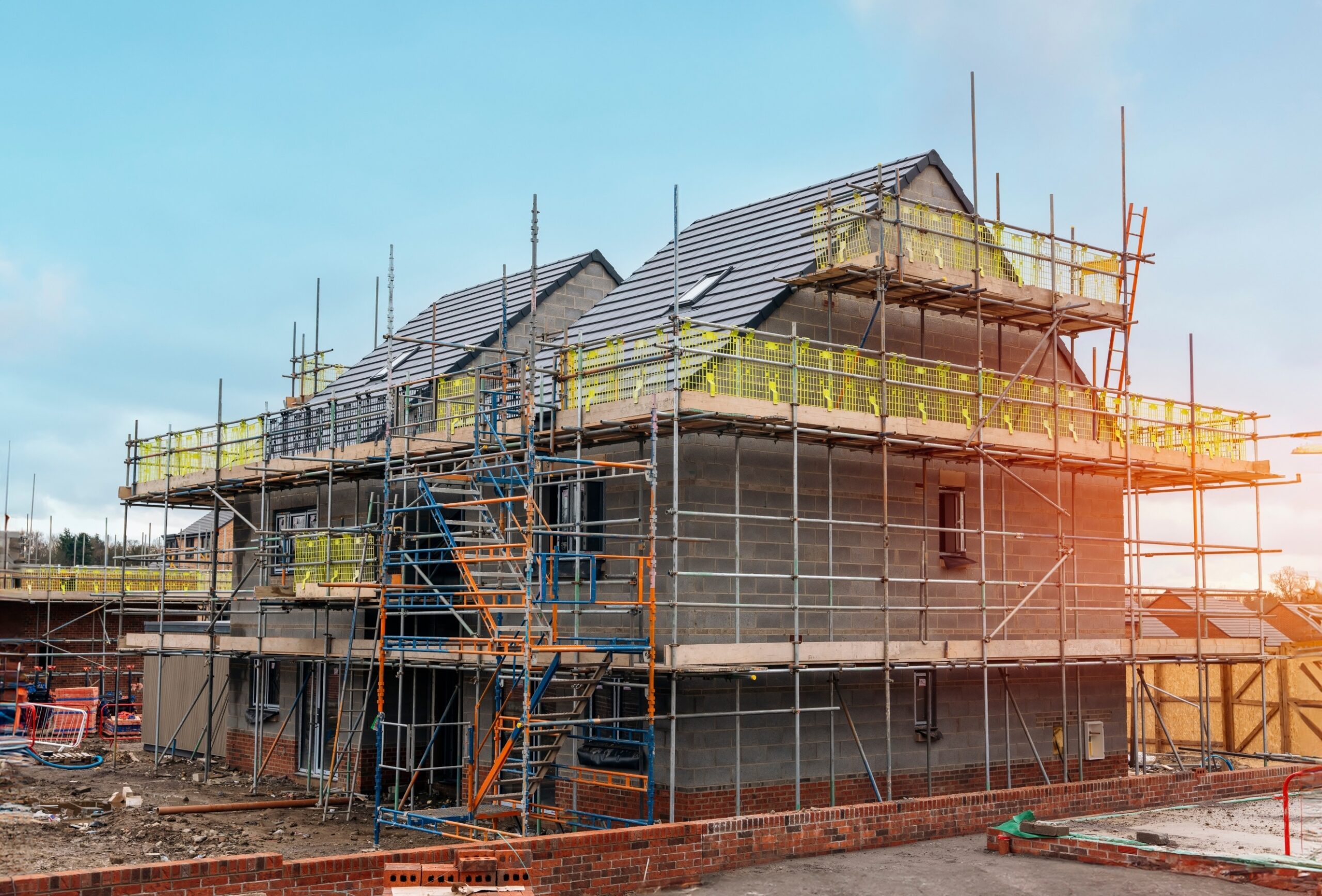
Building projects are full of uncertainties – weather events, supply delays and the complexity of coordinating multiple trades can all lead to loss or damage. Contract works insurance (often called contractors’ all risk insurance) helps protect you against the cost of accidental damage to a project under construction. These policies are usually issued jointly in the names of the contractor and the client and cover unforeseen loss or damage to building works and equipment during the construction period. Contract works insurance will pay to repair or reinstate the works if they are accidentally destroyed or damaged before completion and typically operates on an “all risks” basis.
However, “design risk“ (the possibility that a project suffers damage because the design, plans or specifications are flawed) is treated differently. Understanding how design risk is addressed in a contract works policy will help you choose the right level of cover and avoid nasty surprises if something goes wrong.
Why design defects are treated differently
Contract works policies are designed to cover accidental physical damage rather than flaws in design, materials or workmanship. Insurers regard a defect as a condition rather than a peril; the intention of the policy is to exclude the defect itself but to cover damage resulting from it. For example, if a miscalculated beam design causes part of a structure to collapse, the policy may pay to repair damage to the surrounding, properly designed parts, but it will not cover the cost of redesigning or replacing the defective beam.
Design errors are also considered a professional risk. Design, plan and specification work is typically carried out by architects, engineers or design and build contractors. These professionals should carry professional indemnity insurance, which protects against claims arising from design errors.
Professional indemnity insurance acts as a protective shield by covering claims stemming from design related errors. If you are taking on design responsibility (e.g., under a design and build contract), you will need professional indemnity insurance in addition to contract works cover.
The different levels of design defect cover (DE clauses)
To provide clarity on how defects are treated, London market insurers developed a series of Design Exclusion (DE) clauses. The current versions, revised in 1995, offer five levels of cover.
Using the example of restaurant table with a defective leg, we can explain the difference between the different DE clauses.
A restaurant table has a defective leg. On the table is a bottle of champagne. Next to the table is a dessert trolley. The table collapses due to the defective leg (i.e. the table is now damaged) and this causes damage to the bottle of champagne and to the nearby dessert trolley. The DE clauses determine which parts of the loss are covered:
- DE1 – Outright exclusion: excludes all loss or damage due to defective design, materials or workmanship. In the restaurant table example, no damage is covered.
- DE2 – Consequential damage cover (limited): covers damage to other insured property that does not rely on the defective item for support. Therefore, damage to the dessert trolley is covered, but damage to the table and champagne bottle (which rely on the defective leg) is excluded.
- DE3 – Consequential damage cover (standard): covers damage to other insured property whether or not it relies on the defective part. Damage to the champagne bottle and dessert trolley is covered, but the defective table itself is excluded. This level is often considered the “standard” in the UK.
- DE4 – Machinery Exclusion: similar to DE3 but intended for machinery or plant rather than building work.
- DE5 – Design Improvement Cover: the broadest clause. It covers damage to both defective and non defective property, provided that damage has occurred, but it excludes any costs of betterment (i.e. improvements to the original design or specification). This means you can claim for damage to the defective table as well as surrounding items, but you cannot claim the cost of upgrading the table leg beyond its original specification.
Choosing the right level of cover
Selecting the appropriate design defect clause depends on your project’s nature, the contractual requirements and your appetite for risk. DE3 is regarded as the standard level. DE1 and DE2 offer more limited cover but can reduce the premium charged by insurers, while DE4 and DE5 provide broader cover but may cost more.
- If you have minimal design responsibility (for example, you are constructing to an architect’s design under a traditional contract), a standard DE3 clause may be sufficient because it covers damage to surrounding property even if it depends on the defective part.
- If you are responsible for design (as a design and build contractor) or are building a complex project, consider the broader DE5 clause. Although it costs more, it covers damage to the defective property itself (subject to no betterment) and provides greater peace of mind.
- Check your contract: JCT and NEC contracts often specify whether contract works insurance should be arranged in joint names and may require a particular DE or LEG clause. Joint names policies protect all parties’ insurable interest and can help to avoid disputes.
Other policies to consider
- Professional Indemnity Insurance: If you are responsible for any design work, you should arrange professional indemnity insurance to cover claims arising from design errors. Contract works insurance will not cover the cost of correcting the design or legal liabilities arising from design faults.
- Latent Defects Insurance: Contract works policies only cover damage during construction. Latent defects insurance (sometimes called structural warranties) provides protection after completion for inherent defects that only become apparent later. Some latent defects policies may include cover for ingress of water and the threat of imminent collapse due to design, materials or workmanship. This cover is often required by lenders and can be valuable if you intend to sell or lease the completed project.
Summary
Understanding design risk exclusions is essential when purchasing contract works insurance. These policies are designed to cover accidental damage to the works, not the cost of putting right flawed design. The London Market’s DE clauses provide a spectrum of options: from DE1, which excludes all loss or damage caused by defective design, to DE5, which covers damage to both defective and non defective property but excludes betterment. Selecting the right clause depends on how much design responsibility you take on, the nature of your project and what your contract demands.
Before finalising your insurance, review your contract, assess your design exposure, and discuss the various DE clauses with an experienced broker. Combining contract works insurance with professional indemnity and, where appropriate, latent defects insurance will help ensure your project is protected from both accidental damage and design related risks.
Ready to protect your project?
Review your contract, assess your design responsibilities, and discuss the DE clauses with an experienced insurance broker. If you’d like personalised guidance on the right level of cover or a competitive quote for contract works insurance and complementary policies, get in touch with us.
Contact our specialist team today:
📅 Schedule Appointment (Teams)
📞 03330 430 430 (option 3)
📧 info@ChampionInsure.co.uk